Resource
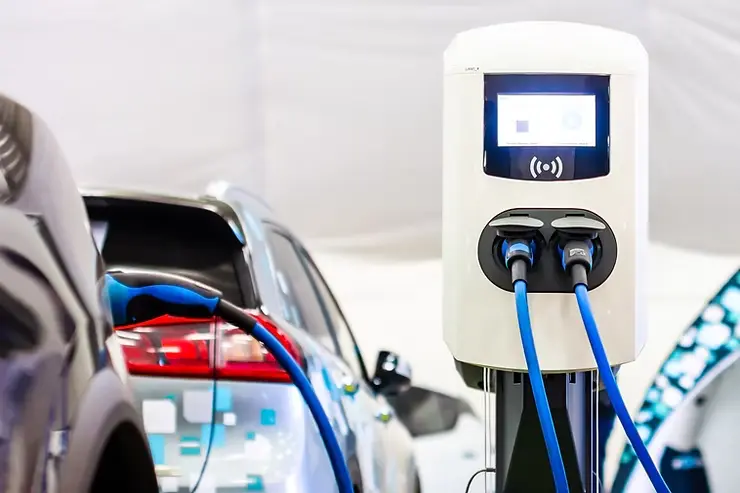
In the rapidly evolving world of commercial real estate, staying ahead of market trends and technological advancements is essential for maintaining a competitive edge. One of the most significant trends today is the increasing demand for electric vehicle (EV) charging stations. As the adoption of electric vehicles grows, so does the necessity for robust EV charging solutions in commercial properties. This trend presents a valuable opportunity for property owners and tenants alike.
The Growing Need for EV Charging Stations
The rise in electric vehicle adoption is undeniable. With advancements in EV technology and a global push towards sustainability, more individuals and businesses are making the switch to electric vehicles. This surge creates a pressing need for accessible and reliable EV charging infrastructure in commercial real estate. By installing EV charging stations, property owners can cater to this growing demand, enhancing the appeal of their properties to environmentally conscious tenants and visitors.
Benefits of Installing EV Charging Stations
- Attracting and Retaining Tenants: As more businesses prioritize sustainability, having EV charging solutions available can be a significant draw for tenants. Companies looking to consolidate office space or move into shared workspaces often seek properties with sustainable features, including EV charging stations.
- Enhancing Property Value: Properties equipped with modern amenities such as EV charging stations are often perceived as more valuable. This can lead to higher occupancy rates and potentially increased rental income.
- Supporting Sustainability Goals: Installing EV charging stations aligns with broader sustainability goals and corporate social responsibility initiatives. This not only benefits the environment but also enhances the property’s reputation as a forward-thinking, eco-friendly location.
- Meeting Regulatory Requirements: In many regions, there are increasing regulatory pressures to include sustainable infrastructure in new developments and renovations. By integrating EV charging stations, property owners can stay ahead of these regulations and avoid future compliance issues.
Implementing EV Charging Solutions
Property owners implementing EV charging solutions requires careful planning and execution. Here are key considerations:
- Assessing Demand: Understand the demand for EV charging within your property. This involves surveying current tenants and analyzing the local market to determine the appropriate number and type of chargers needed.
- Choosing the Right Technology: There are various types of EV chargers, from Level 2 chargers, which are suitable for most commercial applications, to DC fast chargers, which can provide a quicker charge for high-traffic areas. Selecting the right technology is crucial for meeting tenant needs effectively.
- Infrastructure and Power Supply: Ensure that the property’s electrical infrastructure can support the additional load of EV chargers. This might involve upgrades to the electrical system or integrating smart charging solutions that manage energy use efficiently.
- Partnerships and Incentives: Consider partnering with experienced EV charging solution providers who can offer expertise and support. Additionally, explore available incentives and grants for installing EV charging infrastructure, which can offset some of the initial costs.
Why the Mid-Atlantic Is a Prime Example
The Mid-Atlantic has emerged as a key region for integrating EV charging into commercial real estate, driven by rapid growth in data center construction and ongoing office consolidation.
- Grid Capacity Planning: Northern Virginia’s “Data Center Alley” and the region’s broader data center growth are placing heavy demands on local power capacity. For commercial properties, that makes early coordination with the utility on electrical service upgrades essential before adding EV charging load.
- Office Space Consolidation: As companies consolidate and reconfigure their office footprints across the Mid-Atlantic, incorporating EV charging can make these spaces more attractive to tenants and employees.
- Shared Workspaces: The rise of shared workspaces in the Mid-Atlantic has fueled demand for modern amenities like EV charging. These spaces attract startups and small businesses, many of which prioritize sustainability.
Conclusion
As electric vehicle adoption continues to grow, demand for accessible charging infrastructure will only increase. For property owners and tenants, integrating EV charging delivers real benefits, from attracting and retaining tenants to enhancing property value and supporting sustainability goals.
REMS has served as owner’s representative for EV charging and electrical infrastructure upgrades at operating utility facilities, including padmount transformers and energized tie-ins. To plan EV charging for your property, contact REMS. We’ll manage the project on your behalf, from load analysis and utility coordination through installation and turnover.